Featured
Table of Contents
If you're having problem trusting your specialist enough to open up, which is really typical, don't be worried to bring that up. With that said information, your specialist can work with building a foundation of trust fund that will enable you to open more down the road. "Treatment has to do with a partnership between the client and the specialist," claims Small.
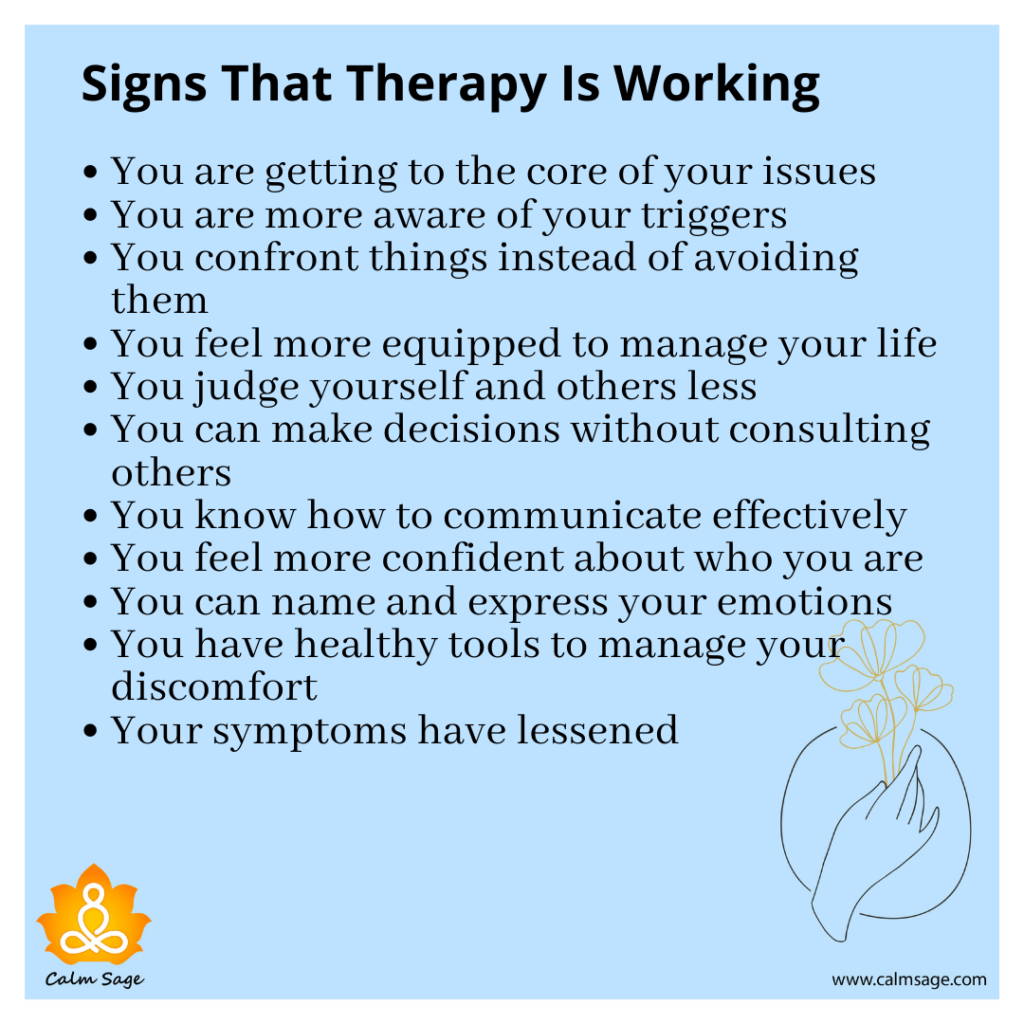
It's completely regular to feel like you do not require therapy eventually. "As a therapist, we intend to function ourselves out of a work," claims Small. However before you stop, make certain you're finishing therapy due to the fact that you absolutely got what you needed out of your sessions, and not due to the fact that you're disappointed with your therapist.

You can constantly talk with your specialist about putting more time between sessions and seeing just how you feel. If you currently see them for weekly sessions, for instance, you might attempt doing a monthly check-in. If something comes up and you wish to resume once a week sessions, you currently have a structure with a therapist you know and trust.
Face-to-Face Codependency Therapy Appointments Offerings
You can try speaking about things that have actually taken place in your life since your last session. You can also chat about your connections and any type of obstacles you're encountering. If you feel like you obtained what you needed out of therapy and no much longer have points to bring up, it might be an indicator that you prepare to stop or stop briefly treatment.
You can chat with a specialist regarding just how you feel and what you believe."No one has therapy all figured out, also the therapist," claims Hardy.
The length of treatment is quite variable, and the last choice regarding the length of therapy rests jointly with the client and specialist. Some clients stay for as brief a time as 2 or three sessions, while others are in treatment for 2 or 3 years or more as they continue to seek objectives and technique abilities.
No matter the length of therapy, we highly recommend that the final session be intended, to ensure that the therapist and person can summarize the work that has been carried out in therapy and say "good-bye." This resolution is connected with much better lasting outcome for the client than a sudden termination. Clients may select to have "booster sessions" after routine therapy sessions have finished.
Scientifically-Backed Strategies for Codependency
The individual can call for a follow-up session a number of months or a year after weekly sessions have finished. These booster sessions function as a type of "tune-up" to assist individuals remain on track and proceed to utilize the abilities they have actually learned in therapy, therefore maximizing their long-term benefit from treatment.
Patients additionally invest 5-10 minutes signing in and filling in brief state of mind surveys (the BDI-II, BAI, and BHS). All informed, on average, the client invests regarding an hour at the Center for Cognitive Treatment each time they come for a session. A lot of individuals go to one session weekly. Depending upon the timetables of the patient and specialist, sessions can be held on the very same day and time every week, or the session times may differ.
Discovering Enabling Tendencies
On the other hand, if a client really feels that it is time to lessen the sessions, he or she may pick to arrange sessions every various other week. In addition, some people select to satisfy much less frequently for financial factors. The Facility for Cognitive Therapy permits for this setup so patients can get therapy without excessive economic anxiety.
The objective of the consumption assessment is to accumulate information to supply to the specialist in an effective method. The meeting is conducted by a clinician-in-training, who is overseen by a qualified clinician. Individuals need to expect to spend in between a couple of hours in the interview, with a minimum of one break.
The Intersection Between Ambition and Stress
Decisions can be created clients independently. For instance, does this patient need customized focus for such problems as suicidality or chemical abuse? The person can ask a senior clinician any questions he or she might have, and can establish if the Center for Cognitive Therapy is a great fit for him or her.
The director, Cory F. Newman, PhD, together with the senior medical professional that satisfies with the client throughout the consumption analysis, makes a decision which Facility for Cognitive Therapy specialist will treat which person. This choice is based partly on person demand (to see a female specialist, as an example, or a specialist that focuses on a particular location).
Healing That Fits Your Obligations

The specialists at the Center for Cognitive Treatment are well trained across a number of areas, and thus have the ability to see a large array of clients. Each specialist concentrates on developing a feeling of shared approval, respect, and team effort with their people. Our therapists want to service any concerns that may trigger pain in the restorative partnership.
Newman is available to discuss this issue, though it is our policy to require the patient and therapist to contend least one session to try to deal with the problem prior to transfers are made. One of the most vital, positive modifications that you will make in your life will certainly occur in your daily experiences outside of your therapist's office.
These tasks will certainly reveal you just how to use the ideas and skills you've learned in treatment in between sessions. This procedure will certainly allow you to become your own specialist as soon as your work with your cognitive therapist is full.
These behavioral projects can help teach abilities and can transform beliefs you have regarding on your own, regarding your future, about others, and so on. Homework might assist your development in treatment if you give it a try. You will never be slammed if you have difficulty with it. It is your specialist's responsibility to produce a setting in which you will certainly really feel free to check out and learn and in which you will certainly not need to bother with being evaluated.
Markers When Should Consider Expert Therapy
Lots of clients at the Facility for Cognitive Therapy get on medicines, such as antidepressants, mood stabilizers, and so on. Some research suggests that a mix of cognitive therapy and the proper medicines can be extremely beneficial. If you wish to begin medicines in addition to cognitive treatment, we can assist arrange a clinical examination at the Outpatient Facility of the Division of Psychiatry.
If you and your specialist think it is required, you can discuss the relative qualities and disadvantages of including medication to the therapy plan. Sometimes, we may call for that a person be well preserved on medication prior to we start therapy. We do not currently supply couples counseling or household therapy.
Most of our people are over the age of 18, the Facility occasionally deals with older teens on a case-by-case basis. All celebrations agree on what info will certainly be shared with the moms and dad(s) and what details will certainly be personal. Usually, nonetheless, we will certainly make a recommendation to a therapist who concentrates on treating kids or teens.
If you are calling to try to set up a course of therapy for a person over the age of 18, we will be satisfied to pay attention to your problems, yet you will not be able to make an appointment for anybody other than yourself. The person himself or herself should contact us to be scheduled for a visit.

Latest Posts
Searching For Recovery With Relationship & & Trauma Treatment: A Comprehensive Overview
Recognizing Emotional Wounds and Their Effects
Clinical Self Esteem Therapy Support